When I was 13 years old, I got my fortune told by a little old man in Bali, Indonesia. With a one-toothed grin he took my hand and examined it. Although I don’t remember everything from my fortune, I remember he told me, in what English he knew, that I would get married once and have two children. He told my grandma that she would live to be one hundred seven, or was it one hundred three? We were never quite sure. We were both satisfied with our apparent futures afterward, but we were more excited that we had just met the most famous fortune teller in Bali, the same one who had taken the fortune of Elizabeth Gilbert, the author of Eat, Pray, Love only a few years earlier.
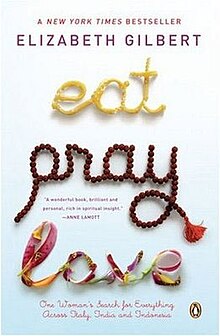
Liz Gilbert was stuck. After recently leaving a nasty divorce and having her heart broken in a head-over-heals affair, she needed to do something to get away, to find herself. And what better way to accomplish this than by traveling. In the course of a year, Liz went on an exciting, heart-felt journey to Italy, India, and Bali learning many valuable lessons along the way.
At the beginning of Eat, Pray, Love, Gilbert shares the dark time in her life after her divorce. Her melancholy tone makes it a relatively depressing start, but it’s obvious that the plot will look up. During this rough patch in her life, Liz got the chance to have her fortune told by that little old man in Bali. He said that she would lose all her money, but get it back soon, that she would get married again and added that she should come visit him in Bali and help him with his English. This sparked a new idea in Liz’s mind. She had been itching to go to Italy and learn Italian, but also wanted to go to India and master the art of meditation, and now she wanted to go to Bali too. She decided not to choose between them and to spend a year traveling to all of these magnificent places, and so the story began. In Italy Liz would discover the importance of pleasure; in India she would discover the power of God; and in Bali she would realize the capacity of the human heart and the love of self.
Subject: This book is in itself almost a fairytale, a first-account look at traveling to beautiful places and enjoying yourself. But, more importantly this story is about self discovery and appreciating the small joys in life. It is a unique story because it is about doing exactly what your heart desires, something that is very difficult to do in today’s day and age. It is inspiring and could also pass as a self help book.
Occasion: Liz’s story begins in New York City around the time that the World Trade Center was hit. This devastating event coupled with her divorce and severe depression lead to the occasion of this book being written. Being a writer, traveling the world for one year straight and experiencing a life changing journey was the perfect thing to write about.
Audience: If there is an intended audience for this book, it’s not obvious. It is simply a nice, personal story of perseverance. However, I think that the content of the book would appeal most to older women who are feeling stuck and are in need of a little push in order to become unstuck. I know that both my mom and grandma read this book and really enjoyed it. I read it and enjoyed it but couldn’t relate as well to the marriage aspect or the overall stress of an adult’s life. I also think that travelers would be drawn to this book just by the vivid, colorful descriptions of the beautiful destinations described. Anyone who loves traveling would appreciate the passion that Liz has for going to new places and the wisdom she gains from new experiences. Finally, I think that religious people would like this book. Particularly people who are not strictly in one religion, but are interesting in many and have a strong belief in God. The author spends a lot of time describing her spiritual experiences and how God helped her persevere. But regardless, anyone who likes a soul-searching traveling story, will like this book.
Purpose: I think the purpose of Liz Gilbert writing this book was to document her experience and give readers hope that they can turn their lives around. Eat, Pray, Love may also have given people a new vacation destination or two. It’s also an engaging storyline and could be read solely for entertainment.
Style: Elizabeth Gilbert uses relatively informal language throughout the book. While reading it it’s almost as if Gilbert is a friend of yours telling you a crazy story. She also has a biblical style when she delves into a spiritual topic. The structure of her writing is very unique. The subject jumped around a bit and every once in a while Gilbert would go on a tangent about a random side-story or history of an Italian word. She also used an abundance of parenthesis either for humor or to add an extra detail that really wasn’t necessary. The writing was also very verbose on occasions, almost to the point where the reader skips to the next page because it’s so redundant. Overall, a fun, easy read that holds the reader’s interest the majority of the time.
Tone: While the tone is light-hearted and fun, there are times when Gilbert comes off as self-centered. Because the writing is from her point of view and she is telling her story it makes sense that she should share her opinions, but in some cases he shares her opinion too strong, or comes off as being self-righteous. On the other hand, her added jokes and thoughts make her and the book more likable.
In conclusion, I give this book a 4 out of 5 and would recommend this book to anyone looking a fun story.

-Katut Liyur the fortune teller
